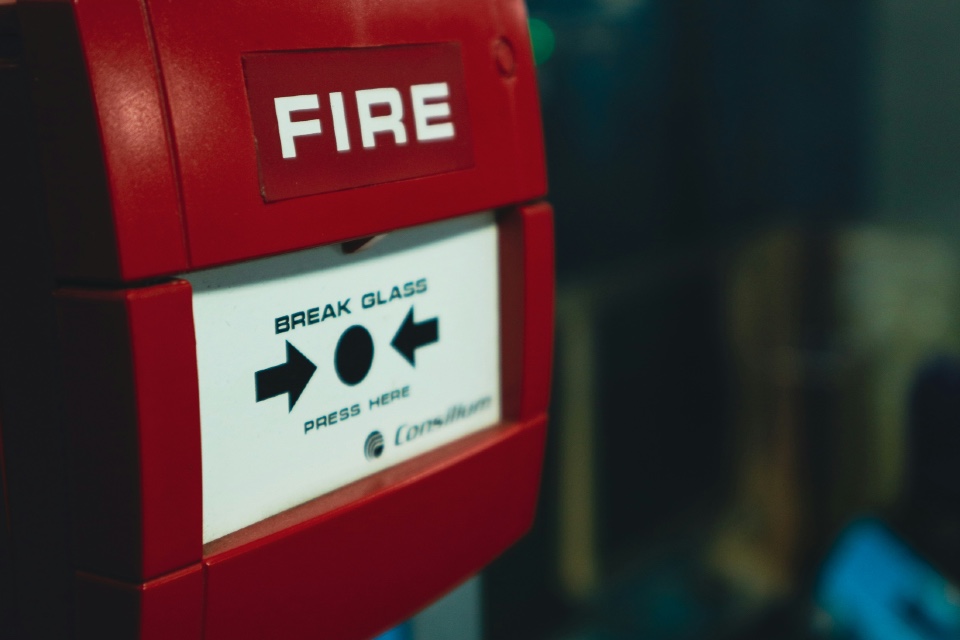


As organisations accelerate their transition to net zero, workplaces are being transformed by new technologies: solar PV arrays on rooftops, lithium-ion battery storage systems, EV charging infrastructure, and sustainable construction materials. While these innovations deliver clear environmental benefits, they also introduce new and complex fire risks that occupational health & safety (OH&S) professionals must address…
Solar PV and Battery Storage
Solar photovoltaic (PV) systems are now a common feature across schools, hospitals, offices, and industrial estates. However, PV panels and their associated cabling present unique risks, particularly electrical arcing and difficulties in isolating power during a fire.
Similarly, lithium-ion battery storage, whether stand-alone or integrated with solar, carries the risk of thermal runaway, where a single failing cell can trigger rapid heat release and fire spread. Best practice now includes enhanced fire detection in plant rooms, automatic isolation systems, and clear signage to assist responding fire services.
EV Charging Infrastructure
With EV adoption surging, workplaces and public estates are rapidly installing charging stations. While essential for sustainability goals, poorly designed or overloaded systems can overheat, particularly under peak demand. In underground or enclosed car parks, EV fires present added challenges due to the intensity and duration of lithium-ion battery combustion.
OH&S leaders are working closely with facilities managers to ensure chargers are installed to the highest standards, subject to regular inspection, and supported by robust emergency response plans. Separation distances, fire-rated cable routing, and integration with building management systems (BMS) are now considered critical design criteria.
Sustainable Materials and Modern Methods of Construction
The drive toward greener buildings has also increased the use of timber, composites, and recycled materials. While many meet fire safety standards, their performance under fire can differ significantly from traditional materials. OH&S professionals are revisiting fire risk assessments and evacuation modelling to account for these changes, ensuring that safety standards keep pace with sustainability trends.
Integrating Fire Safety into Net Zero Strategies
The key challenge is striking the right balance: embedding sustainability while ensuring fire safety is not compromised. This requires early engagement between OH&S teams, architects, contractors, and energy providers. Holistic risk assessments, clear procurement standards, and collaboration with local fire authorities are now seen as best practice.
A Dual Responsibility
Sustainability and safety are not competing priorities. By proactively addressing fire risks linked to green technologies, OH&S leaders can help organisations achieve their net zero ambitions while safeguarding people, assets, and reputations.
The most resilient estates will be those where innovation is matched with vigilance, ensuring that every step toward sustainability is also a step toward safety.
Are you searching for Fire Safety solutions for your organisation? The Occupational Safety & Health Forum can help!
Photo by Kumpan Electric on Unsplash