Despite decades of tracking incidents and analysing outcomes, serious injuries and fatalities remain stubbornly persistent across high-risk industries. The latest research from Verdantix, an independent research and advisory firm that helps EHS leaders evaluate technology and market trends, on new approaches to SIF prevention suggests why: most organisations are sitting on valuable data they’re not fully using.
The research highlights a fundamental shift. Rather than relying solely on lagging indicators and post-incident analysis, leading organisations are turning to AI and analytics to surface early warning signs before incidents reach the reportable stage.
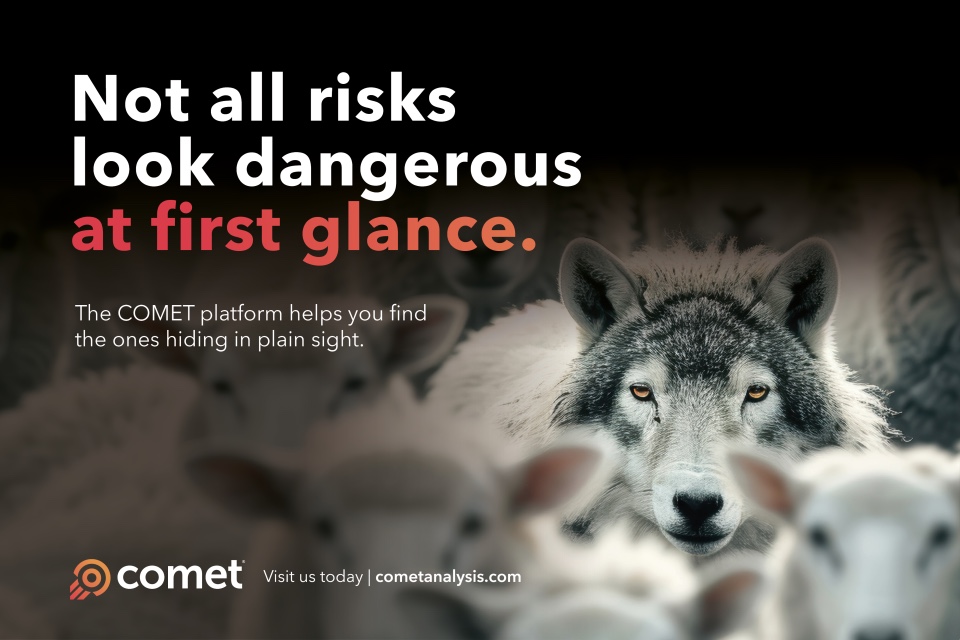
At COMET, we’ve long recognised that serious events rarely arrive without warning. The signals are usually there, scattered across systems, spreadsheets, reports, and conversations that never connect. That’s precisely why we developed COMET Signals, our AI-powered analytics solution that applies machine learning to unstructured and structured data. By identifying recurring themes and emerging risk patterns, it helps organisations see connections between seemingly unrelated events.
We were pleased to see COMET recognised in the Verdantix report as a technology already demonstrating this shift in action. But what resonates most with us is their emphasis on pairing AI-generated insight with expert oversight. Generic models don’t understand safety data. Effective AI in this space needs to be domain-specific, built around the real-world context of EHS work.
That’s how we’ve always approached it. COMET was developed by investigators, not technologists alone, grounding it in the realities of root cause thinking. Technology enhances human judgment rather than replacing it.
The research also reinforces something we see consistently: culture matters as much as technology. The best analytics platform in the world won’t help if teams don’t feel safe to report near misses. But when people see data working for them, closing feedback loops and preventing incidents, reporting becomes proactive rather than reactive.
The conversation in safety is changing from “how many incidents happened” to “why do they keep happening?” Organisations that combine human expertise with intelligent data interpretation will be best positioned to anticipate risk rather than simply respond to it.
Learn more at cometanalysis.com.